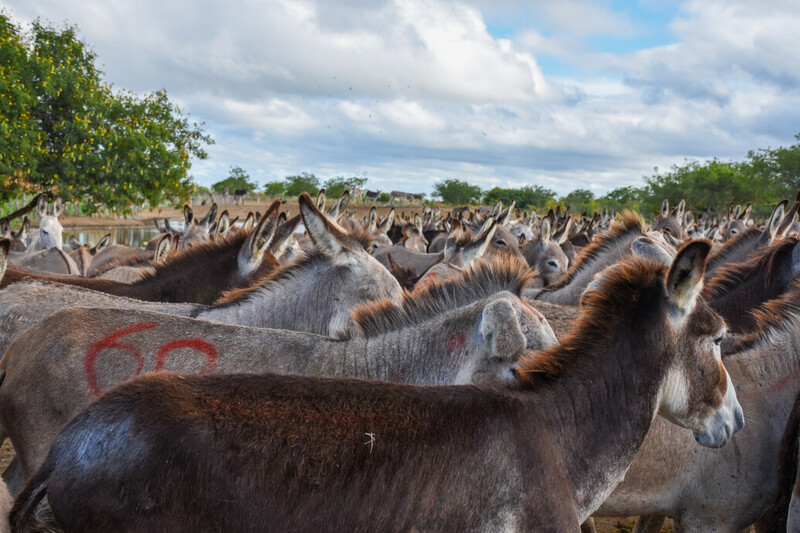
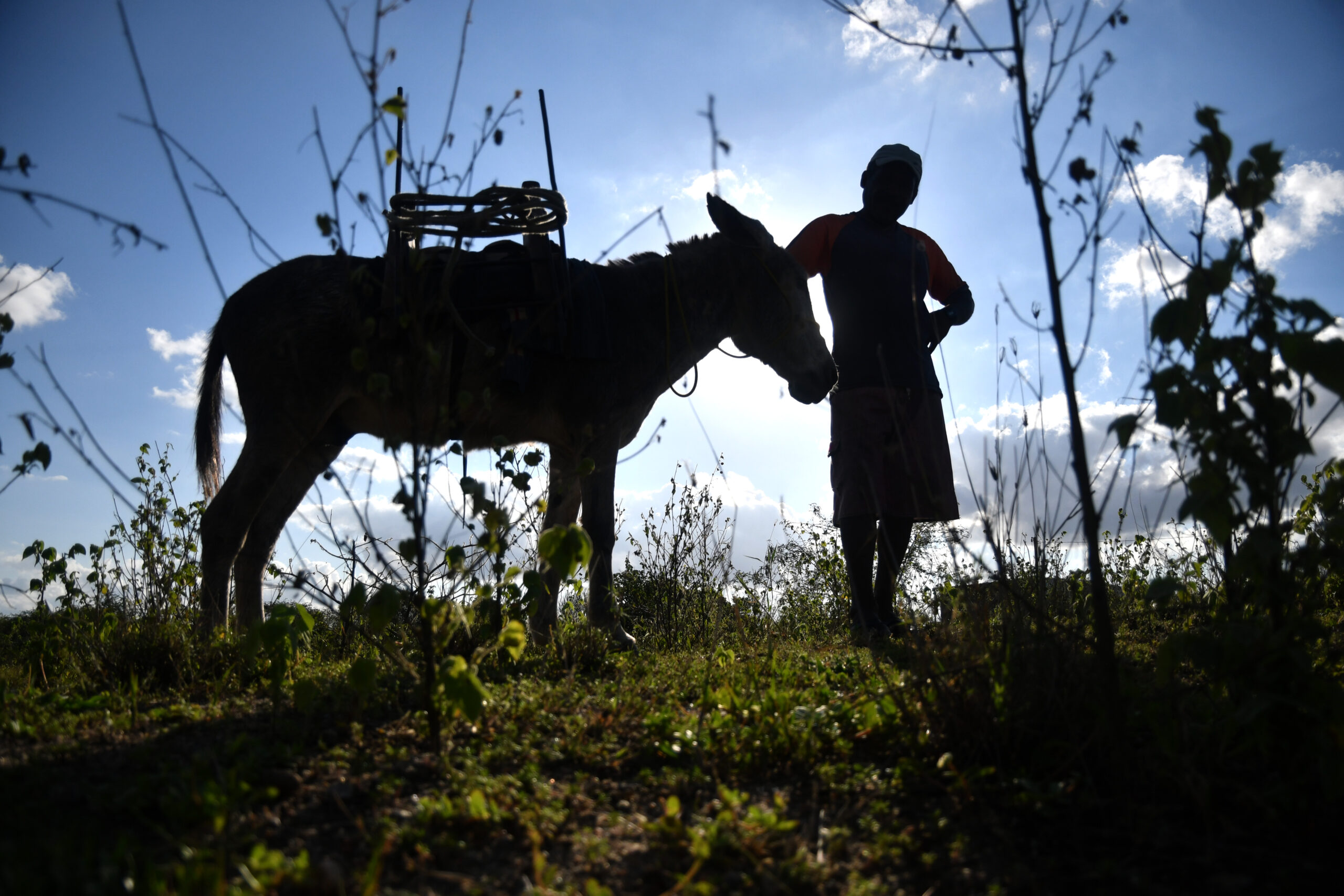
A Federal Court in Brazil has banned the slaughter of donkeys across the state of Bahia, marking a landmark moment in the global effort to end the donkey skin trade and sending a powerful signal of solidarity with African nations already standing against this threat.
Brazil, like many countries across Africa, has seen its donkey populations targeted by producers supplying skins for ejiao, a Traditional Chinese Medicine made from donkey collagen. The ruling recognises what communities across Africa have long known: the unchecked donkey skin trade devastates livelihoods, drives cruel and unsustainable exploitation, and risks wiping out a species that is a lifeline for millions of people across the Global South.
The ruling brings impacts Brazil’s last major donkey slaughterhouse, located in Amargosa, Bahia.
Brazil’s decision comes amid a dramatic collapse in its donkey population. Official data from IBGE and Agrostat show donkey numbers have fallen by 94% between 1996 and 2024, driven in part by the growing global demand for donkey skins.
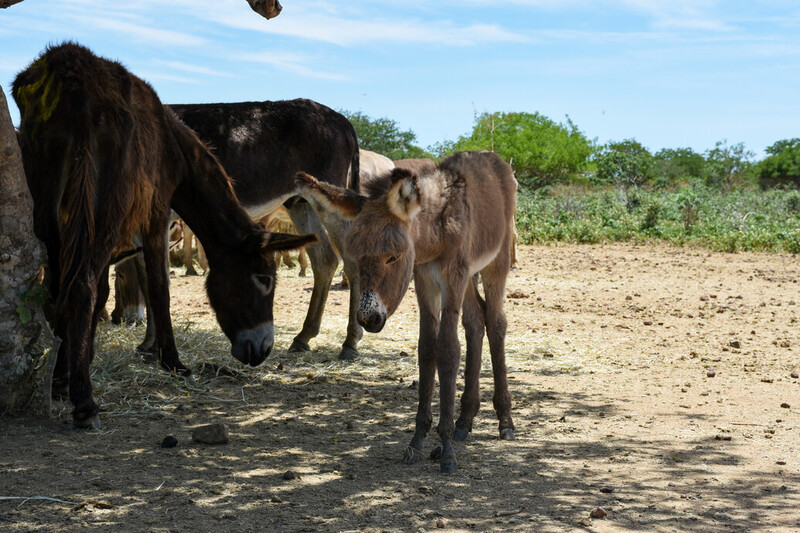
Globally, an estimated 5.9 million donkeys are slaughtered each year to supply the ejiao industry. Scientists and animal welfare experts warn that this model of exploitation is biologically, economically and socially unsustainable – particularly in regions where donkeys are essential to transport, farming, water collection and household income.
Across Africa, the impact has been stark. Communities have lost animals that support women’s livelihoods, food security and rural economies. In response, the African Union has adopted a moratorium on donkey slaughter, with several African countries already enacting national bans or strong legal protections.
Brazil’s ruling shows that countries of the Global South are facing the same pressures, and can lead the global response together.
In its decision issued on Monday 13 April, Federal Judge Arali Maciel Duarte cited clear evidence of animal cruelty, severe biosecurity failures and a concrete risk of species loss. The Court ordered the immediate suspension of donkey slaughter across Bahia and mandated the removal of donkeys from slaughterhouses, farms and transport operations linked to the skin trade.
The ruling follows a public civil action brought by a coalition of Brazilian and international civil society organisations, including The Donkey Sanctuary, União Defensora dos Animais, Rede de Mobilização pela Causa Animal (REMCA), Fórum Nacional de Proteção e Defesa Animal and SOS Animais de Rua.
While the decision is a major breakthrough, it currently applies only to the state of Bahia. The Donkey Sanctuary and our campaigning partners are now urging Brazil’s National Congress to turn this ruling into a nationwide ban, just as African countries are being called upon to enact the African Union moratorium on donkey slaughter through national legislation.
Together, Brazil and African countries can stand shoulder to shoulder to protect donkeys and the communities who depend on them.
Dr Otieno Mtula, Regional Advocacy and Campaigns Manager for Africa, said:
“This decision from Brazil should be welcomed across Africa as a powerful act of allyship. Our countries are facing the same destructive trade, driven by external demand and paid for by rural communities who lose animals essential to their daily lives. Brazil’s action shows that the Global South does not have to accept this cruelty.
“It also represents an important opportunity for Africa and Brazil to stand together. The African Union has already shown leadership with its moratorium on donkey slaughter. We now hope this moment inspires more countries, in Africa and beyond, to enshrine donkey protection into national law and send a clear message to the world: our donkeys are not for sale.”
Marianne Steele, CEO of The Donkey Sanctuary, said:
“This ruling is a deeply significant moment for donkeys and the people who depend on them. Donkeys are intelligent, sensitive animals who work quietly alongside humans every day, carrying water, food and livelihoods, and sustaining families and communities. Yet they are being slaughtered on an industrial scale for a trade that disregards their suffering and their true value.
“Brazil’s action sends a powerful message that this cruelty is not sustainable or acceptable, and alongside the countries in Africa that have already taken a stand, they should feel proud of the leadership they have shown in the protection of this vital species.”
Dr Eduardo Santurtun, Regional Director for Latin America and the Caribbean, said:
“Brazil’s leadership in standing against the donkey skin trade sends a powerful signal across the region and we hope other countries across The Americas will follow its example. Together with the African Union’s moratorium, this decision represents a significant step towards protecting donkeys across the Global South and the countless communities who rely on them.”
Brazilian scientists are also pioneering a world-first, cruelty-free alternative to ejiao using cellular agriculture, demonstrating that economic development does not have to come at the expense of animals or communities.
The Donkey Sanctuary continues to work across The Americas and beyond to support stronger legal protections for donkeys and promote sustainable alternatives to the skin trade.
SOURCE:
Images: Bahia state ban – donkey images (includes image of ejiao products)
Credit: The Donkey Sanctuary
UK media contacts:
Shona East – [email protected]
Catherine Rice – [email protected]