

April 22 was observed as Earth Day 2026 in Ghana and across the globe under the theme “Our Power, Our Planet.” The theme highlights the importance of collective action in tackling climate change and environmental pollution, with activities ranging from global clean-up campaigns to education and advocacy efforts.
In a statement marking the occasion, United Nations Secretary-General António Guterres stated, “Mother Earth has given us everything. We have repaid her with reckless destruction – polluting her air, poisoning her waters, destabilizing her climate, and pushing countless species to the brink.” He added, “She is sounding the alarm – through fire, flood, drought, deadly heat and rising sea levels. Yet our response is falling dangerously short.”
The Secretary-General stressed that solutions are within reach. Renewable energy has become the most affordable source of electricity in many parts of the world, while climate action is generating employment, boosting economies, and saving lives.
However, progress remains slow. He called for a decisive shift away from fossil fuels, stronger efforts to protect and restore ecosystems, and a commitment to climate justice for vulnerable populations who have contributed the least to the crisis but face its harshest impacts.
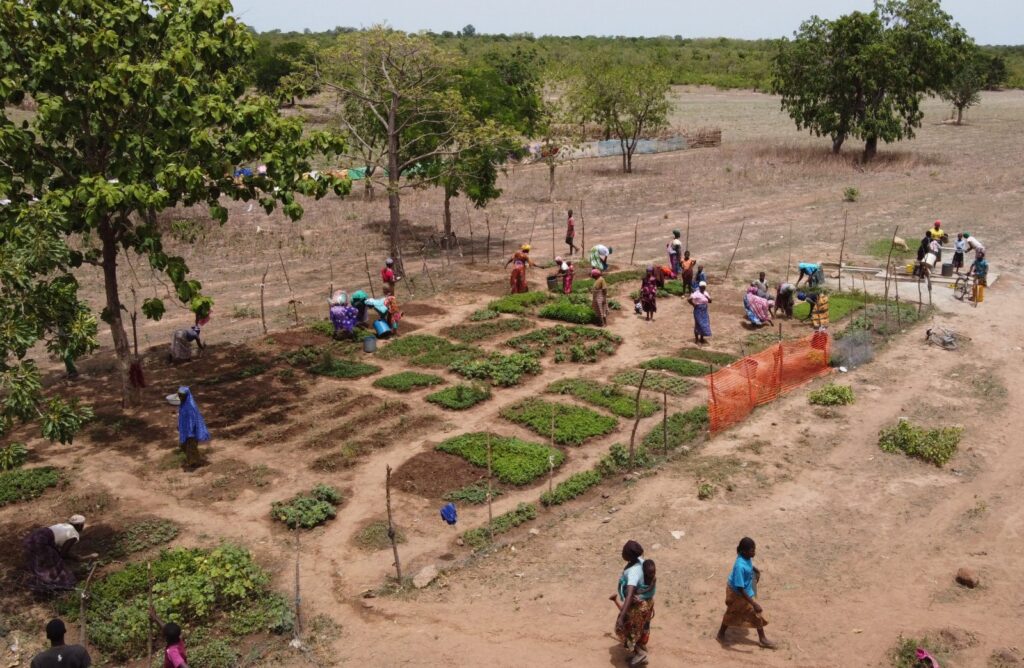
This call to action is particularly pressing for Africa, especially when it comes to the continent’s food systems. Data from AGRA shows that although Africa contributes only 3.8 percent of global greenhouse gas emissions, it is the region most vulnerable to climate-related impacts
“We are starting to see its effects in temperature changes, with most of the continent experiencing a 1-degree Celsius rise since 1901. If the continent warms by 2 degrees Celsius by 2050 – according to IPCC projections – crop yields across sub-Saharan Africa will reduce by 10%,” AGRA notes.
These trends highlight the urgent need to strengthen the resilience of agri-food systems and farming practices. As AGRA recommends, supporting smallholder farmers to better withstand climate shocks is critical. Stakeholders within the food system must incorporate both adaptation and mitigation strategies into their operations. This includes promoting drought-tolerant crop varieties, adopting regenerative and protective agricultural methods, utilizing market-based approaches to support climate-friendly products, and leveraging carbon financing to influence policy and investment decisions.
Equally important is the need to deepen collaboration among partners to assist countries in embedding climate strategies into national development priorities. Enhancing the design and execution of resilience-focused policies will be key to long-term sustainability.
Preparing farmers for climate adaptation is another priority. This can be achieved by improving access to extension services that provide guidance on climate resilience and by strengthening the capacity of institutions that support farmers. Additionally, boosting farmers’ ability to cope with immediate climate shocks requires stronger early warning systems and more effective risk reduction strategies.
How can we all get involved?
The United Nations Environment Programme has five recommendations on how we can all help protect the environment on this Mother Earth Day
https://www.unep.org/cep/news/story/five-ways-you-can-help-save-environment-mother-earth-day.
One, take active steps to rehabilitate degraded land and natural habitats. Support or participate in initiatives that focus on restoring forests, farmlands, wetlands, oceans, and urban green spaces. Promoting sustainable land use and conservation practices can help reverse environmental damage and build resilience against drought and desertification.
Two, adopt everyday habits that reduce your carbon footprint, such as eating more plant-based meals, conserving energy, and using public or non-motorized transport. At the same time, use your voice to push for stronger climate policies and encourage businesses to adopt sustainable practices that reduce emissions.
Three, minimize reliance on single-use plastics by choosing reusable alternatives and supporting brands that prioritize sustainable packaging. Properly manage waste through recycling and responsible disposal to help reduce pollution in oceans, rivers, and land ecosystems.
Four, contribute to cleaner air by making simple lifestyle changes like walking or cycling instead of driving, reducing waste, and avoiding unnecessary plastic use. Supporting clean energy and environmentally friendly practices can also improve air quality over time.
And finally, engage in tree planting efforts with careful planning. Select appropriate species and plant them in suitable locations to protect biodiversity and ensure long-term benefits. Supporting well-managed reforestation and ecosystem restoration projects can maximize the positive impact of tree planting.
By Joe Opoku|Editor