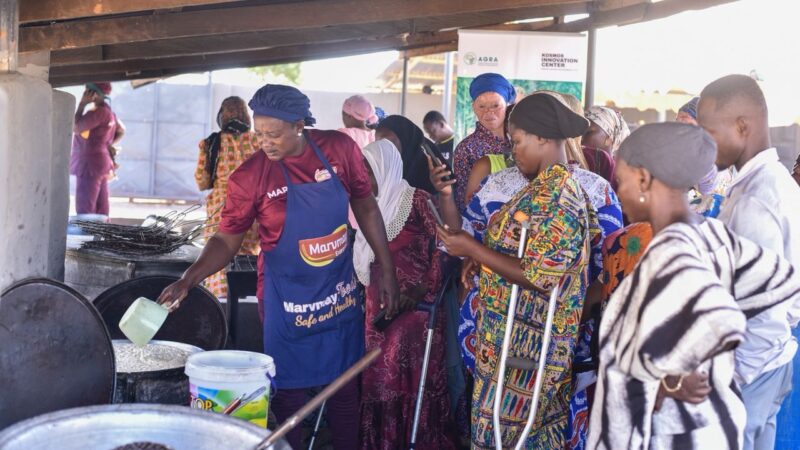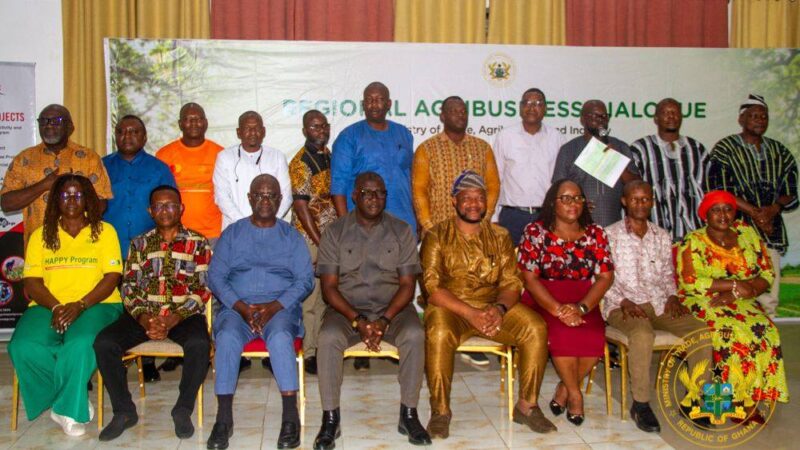
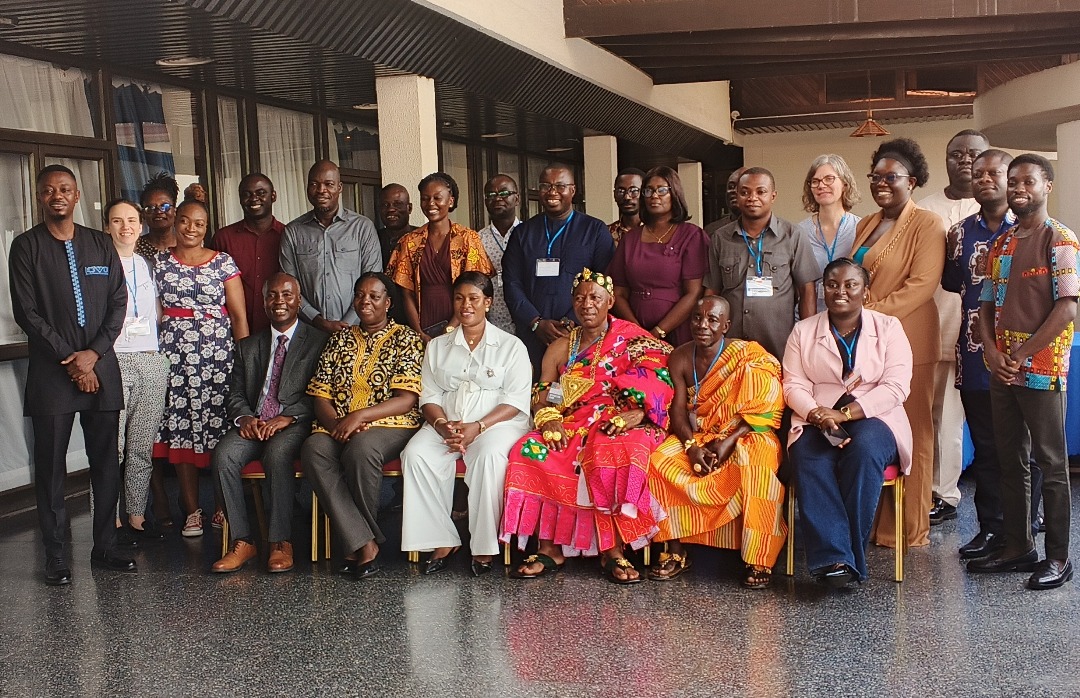
As part of its efforts to help address illegal mining in Ghana; Preferred by Nature together with their partner Rikolto Ghana has taken another prudent step by introducing a new galamsey project in Ghana which would be implemented in three districts of Ghana.
Galamsey has become a major issue in Ghana, affecting not only rural communities but also putting the health of ecosystems under threat; this is why Preferred by Nature together with Rikolto Ghana is implementing the “Mobilising Cocoa Communities against Galamsey Destruction for Long-term Livelihoods and Health” project with funding from the Civil Society in Development (CISU) of Denmark.
The project will address the Galamsey challenges in the target cocoa-growing areas like Wasa Amenfi cocoa landscape.
The project launch brought together traditional leaders from Western Region, public authorities, Civil Society Organisations (CSOs) and the private sector to build an alliance against Galamsey and increase awareness on policy enforcement.
Our Future
Abdulahi Aliyu, Global Program Director, Cocoa and Coffee at Rikolto International said the day did not just mark the beginning of a project, but the strengthening of a collective resolve to stand with cocoa farmers in Ghana.
He reiterated that the project will safeguard farmers landscapes and to push back against one of the most destructive forces threatening rural livelihoods called illegal small-scale mining, commonly known as Galamsey.“For years, galamsey has eroded the very foundations of our rural communities.
It has polluted rivers, degraded farms, weakened family structures, driven young people away from school, and exposed entire communities to dangerous levels of heavy metals.
In many places, the once-dependable cocoa economy has been shaken to its core leaving farmers uncertain about their future.“But amidst this challenge, one truth has become clear: cocoa communities are not powerless; with the right knowledge, organisation, alternatives, and alliances, they can reclaim their lands, protect their health, and secure their livelihoods” he said.
Padmond Boateng Ansah, Project Specialist with Preferred by Nature explained that the organisation initially worked with farmers to adopt sustainable agroforestry practices and develop additional income streams through Village Savings and Loans Associations (VSLAs).
However, climate-related risks and gaps in reaching farmers located near forest zones limited the overall impact of these efforts.“The issue of galamsey kept undermining everything, so we needed a focused strategy to help farmers resist it.
We want to support them to build attractive, sustainable income models that reduce their vulnerability” “Under this new initiative, Preferred by Nature will manage the project and ensure compliance with funder expectations, while Rikolto Ghana will lead community-level implementation.
This includes farmer mobilisation, VSLA formation, land reclamation support, and technical remediation in affected communities” he said.
Assurance
The Head of Cooperation of the Danish Embassy, Rikke Enggaard Olsen, highlighted Denmark’s commitment to supporting sustainable development and green transitions in Ghana.“Illegal mining is more than an environmental issue; it is a development crisis that threatens rural livelihoods, pollutes water bodies, degrades land and undermines public health,” she said.
She believes that the project offered a holistic approach by mobilising traditional authorities, public institutions, civil society organisations and private companies to resist illegal mining while providing competitive livelihood alternatives.

Action
The Chief of Jomoro, Nana Kwame Ketebu II, stressed the importance of addressing the root causes of illegal mining rather than relying solely on enforcement.
He suggested that alternative sources of income should be created to provide sustainable livelihoods for affected communities.“Instead of engaging in activities that destroy the environment, people need options that allow them to survive without compromising the land.
We can promote agriculture, poultry farming, and even commercial fish farming in old mining pits. We can also reclaim degraded lands to grow food crops like cassava or plant palm trees,” he said.
Story by:Nana Yaw Reuben Jr.