Rome, 14 July 2026. The International Fund for Agricultural Development (IFAD)’s ongoing investments reached 92 million people worldwide, raising incomes, production and market access, according to the Fund’s 2025 Annual Report launched today.
“Investment in rural development is one of the most effective and strategic responses to the challenges facing the world today,” said Alvaro Lario, President of IFAD. “When rural people are empowered, the benefits reach far beyond rural communities, strengthening economies, reducing vulnerabilities, and creating opportunities.”
The report details IFAD’s investments and impacts at the “first mile” of food systems, where small-scale producers, rural entrepreneurs and local enterprises form the backbone of resilient economies and produce one-third of the food that feeds the world.
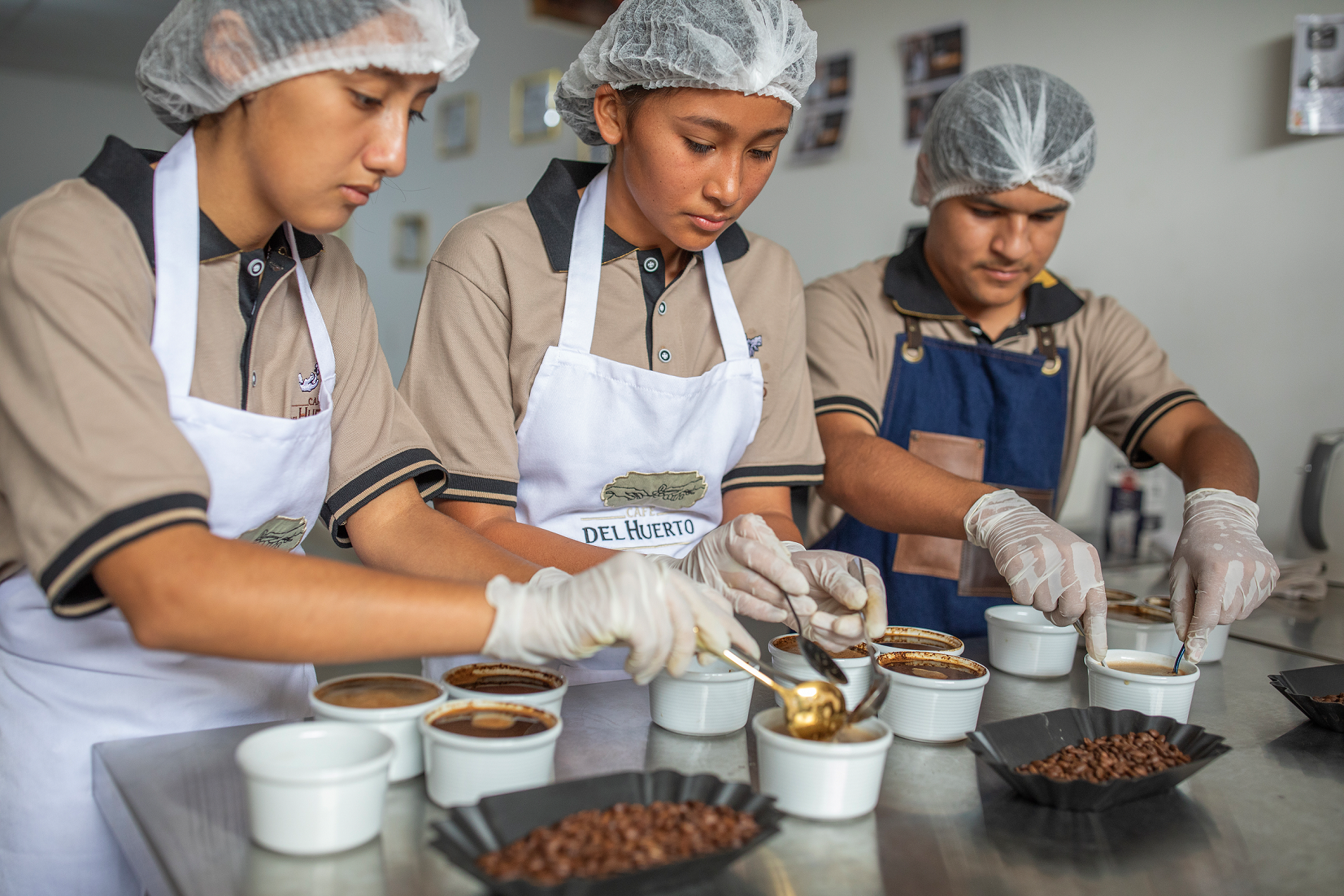
©IFAD/Leslie Searles.
According to the report, IFAD’s global investment portfolio reached US$8,46 billion across 83 countries and more than 170 programmes in 2025. Ongoing IFAD programmes have created nearly 390,000 jobs, constructed 7,300 km of rural roads, and brought 1.9 million hectares of land under climate-resilient management, among other key results.
The report also reveals that investment projects that engaged the private sector showed income increases reaching 64 per cent — four times higher than projects without such partnerships. Overall, IFAD has worked with more than 100,000 private sector partners worldwide, linking farmers to markets and investment to help scale impact.
Recent assessments unveiled in 2025 show that IFAD investments between 2022 and 2024 boasted an average increase in production among project participants of 35 per cent, alongside average gains of 34 per cent in both incomes and market access. These results mark a significant improvement in the depth and durability of impact compared to previous assessments.
2025 was also a strong year for IFAD’s financial sustainability. During the year, IFAD adopted an updated Capital Adequacy Policy to ensure that the Fund’s financial strategy supports its strategic objectives and future growth. IFAD’s AA+ credit rating was also revised in 2025 from “stable” to “positive outlook” by S&P and reaffirmed by Fitch as stable, reflecting strengthened confidence in IFAD’s capacity to deliver impact at scale. Through the Fund’s sustainable bond programme, IFAD also successfully mobilized global private wealth to support rural development, issuing an additional US$340 million in bonds in 2025. In total, IFAD has issued more than US$1 billion in sustainable bonds since the programme’s debut in June 2022.
IFAD also ramped up strategic engagement with Member States and partners, including the private sector, to identify priorities for the coming years leading into its Fourteenth Replenishment (IFAD14) consultation process launched in early 2026.
“Looking ahead, IFAD will continue to expand the reach and scale of the Fund’s investments,” added Lario. “By connecting more rural people to local, regional and global food systems, we can secure food, livelihoods and stability – not only for rural communities, but for the world as a whole.”
Media contact: Alberto Trillo Barca | [email protected] | +39 366 576 3706