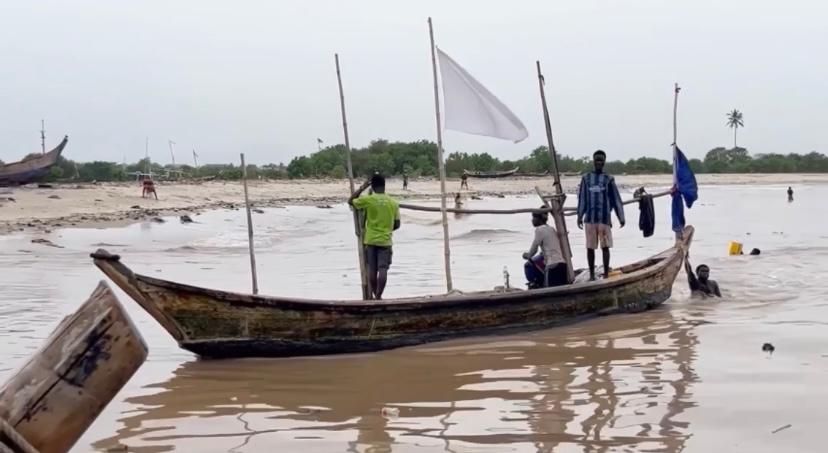
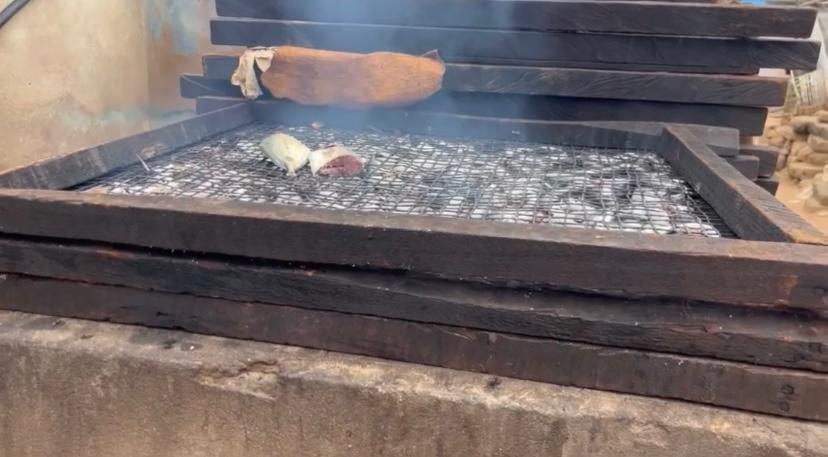
The cry from the coast is getting louder. Fishermen and fishmongers in Gomoa Nyanyano claim that illegal fishing practices, including the use of lights, DDT pesticide, and washing powder, are polluting their waters, collapsing fish stocks, and threatening the health of entire communities.
“We cast our nets all night and come back with tears,” said a canoe owner who has fished these waters since boyhood. “But the men who use light and chemicals return in two hours with canoes overflowing. They are killing the baby fish. What will be left for our children?” He added.
The concerns came up during a community interview held as part of the Ghana Agricultural Rural Development and Journalists Association (GARDJA) in partnership with Earth Journalism Network (EJN)’s “Save Our Sea” campaign. Fishers explained how the illegal methods work, like bright lights lure juvenile fish to the surface at night, while others pour DDT or detergents like Omo and Key Soap into the sea to stun fish for easy harvesting. These chemicals kill everything that feeds the ocean.
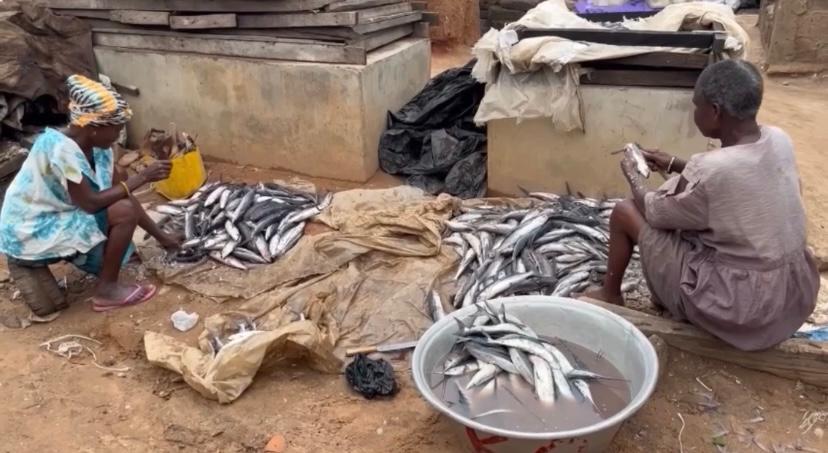
A fishmonger and mother of five, said the impact goes beyond empty nets. “Businesses are dead. Some days I buy no fish at all. When I do, I’m afraid. Did these fish die from DDT? Am I selling poison to another mother? She stated.
Health experts warn that DDT is a banned, cancer-causing pesticide. Washing powder strips fish of their protective slime and destroys marine habitats. Both practices violate Ghana’s Fisheries Act 625 and threaten the country’s ability to meet the Global Biodiversity Framework’s 30×30 target a global pledge to protect 30% of oceans by 2030.
Nana Afful Awotwe, Chief Fisherman of Nyanyano says his task force has seized illegal gear, but the problem still persists. “We arrest them today, they are back tomorrow. We need stronger patrols and real punishment. Our forefathers used a hook and a net. This chemical fishing is a curse.” He added.
Hon. Margaret Naana Ackom, District Chief Executive (DCE) for the Gomoa East District says they are taking the complaints seriously. “Light fishing and chemical fishing are criminal acts,” She told Twumasi Dorcas Danquah.
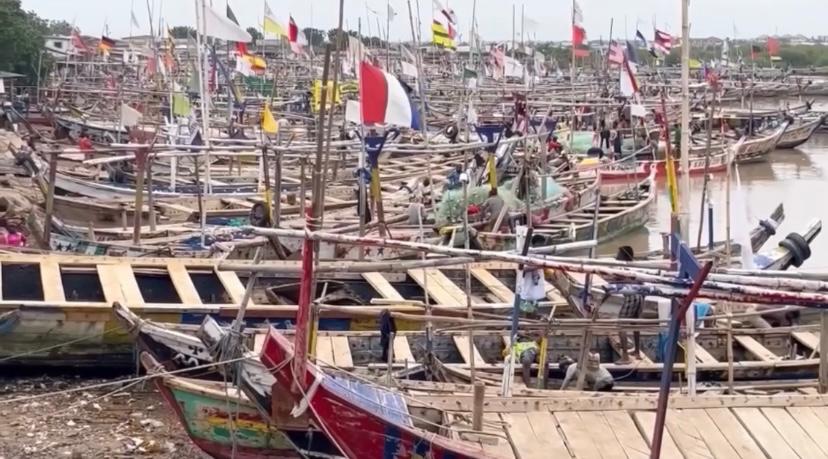
GARDJA’s “Save Our Sea” campaign, supported by the Earth Journalism Network aims to spotlight these threats and push for action to save Ghana’s oceans. The campaign supports journalists to produce stories that expose ocean crimes and highlight solutions needed to meet the 30×30 goal.
Story By: Twumasi Dorcas Danquah