|
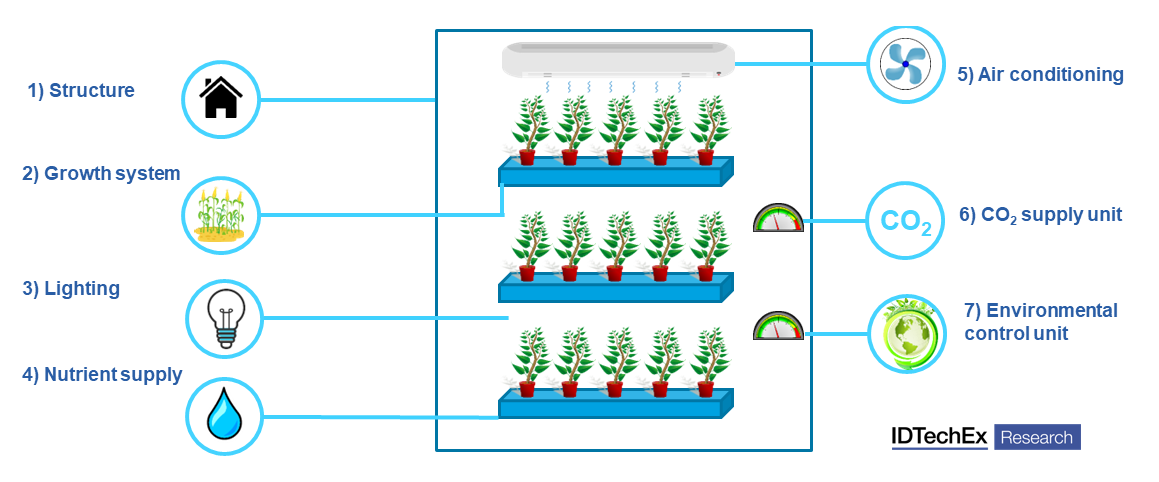
Are rising energy costs the end for vertical farms?
|

Ghana’s latest inflation report has revealed a sharply mixed price picture, with some household items
MADISON, WIS. – Entries for the Dairy Cattle Show at the 59th World Dairy Expo in
The recent Socodevi 2026 Conference, held on June 12 at Hôtel Le Bonne Entente in Québec City under the theme “The Cooperative Force: Joining Forces to Multiply Impact,” sends a strong message about the growing relevance of cooperative enterprises as vehicles for sustainable development. According to the conference report, Socodevi highlighted the achievements of its 34 projects worldwide, which collectively reached approximately 4.6 million people during the year. The gathering brought together member institutions, administrators, donors, partners, and stakeholders to review progress and strengthen collaboration. For Ghana, where cooperative development remains central to agricultural transformation, rural livelihoods, and local economic growth, the conference has significant implications. Reinforcing the Importance of Cooperative Models The theme of the conference emphasizes the power of collective action. In Ghana, cooperatives continue to play a crucial role in sectors such as cocoa, shea, cashew, fisheries, credit unions, and agribusiness. Socodevi’s reaffirmation of the cooperative model demonstrates that sustainable development is most effective when producers, communities, financial institutions, and development partners work together. The conference highlights a global recognition that cooperatives are not merely social organizations but viable economic enterprises capable of generating wealth, creating jobs, and improving resilience among vulnerable populations. Strengthening Agricultural Value Chains Socodevi has been actively involved in Ghana through projects such as PROCED in the Upper East Region, TogetHER in the Ashanti and Western North regions, and other initiatives that focus on cooperative governance, entrepreneurship, women’s economic empowerment, and agricultural development. The conference outcomes suggest that future interventions in Ghana will likely continue to prioritize professionalization of farmer organizations, improved cooperative governance, business-oriented management systems, market access enhancement, financial inclusion, climate resilience and risk management For Ghana’s cocoa sector in particular, these priorities are critical. As the industry faces challenges including climate change, aging farms, low productivity, and sustainability requirements, stronger cooperatives can serve as platforms for farmer training, access to finance, crop insurance, and certification schemes. Increased Opportunities for Development Partnerships The conference brought together donors and strategic partners from across the world. This demonstrates Socodevi’s ability to mobilize international support for cooperative development. For Ghana, this presents opportunities for: new development financing, technical assistance, knowledge transfer, innovation partnerships and South-South cooperation Local cooperatives and farmer-based organizations can benefit from exposure to international best practices and access to global networks that may otherwise be unavailable.
Washington, D.C. June 30, 2026. The American Soybean Association strongly opposes action taken by Monsanto